
There are five “tastes” that serve as the foundation for the flavours in every recipe: sweet, bitter, salty, sour, and umami. You may find that some tastes are more prevalent in certain dishes than others, or that only one or two dominate in a certain food or dish. But making delicious food is all about balancing these tastes, and once you are comfortable doing so, you’ll have more confidence cooking without a recipe.
Sweet
Many Kenyans refer to a tasty dish as “sweet.” Maybe it’s because we translate it directly from “tamu.” Honey is sweet. Chapo and ndengu when you’re hungry is tasty, guys. Big difference.
Sweet flavours are good at giving savoury dishes some depth. That’s why sweet and sour chicken noodles taste so good. Some honey and vinegar will work together to bring out that flavour we love.
Bitter
Human beings are naturally hard-wired to be suspicious of bitter foods, as the taste was used to find out whether (and usually indicated) a plant is inedible. Although it turns out that many bitter foods are good for us (like neem).
Dark chocolate is the best known bitter taste around, and some people love it.
Salty
Arguably the most classic of flavors. Here’s the thing- salt brings out those low-lying aromas and flavors. It can also balance unwanted bitterness in a dish.
You also don’t have to use only salt to get that salty taste: Use soy sauce, cured meats (ham, bacon, pepperoni), olives, or cheese instead.
Pro-tip: Throw some soy sauce, veggies and cured meats in your Piri-Piri Chicken Numi next time and see the difference!
Sour
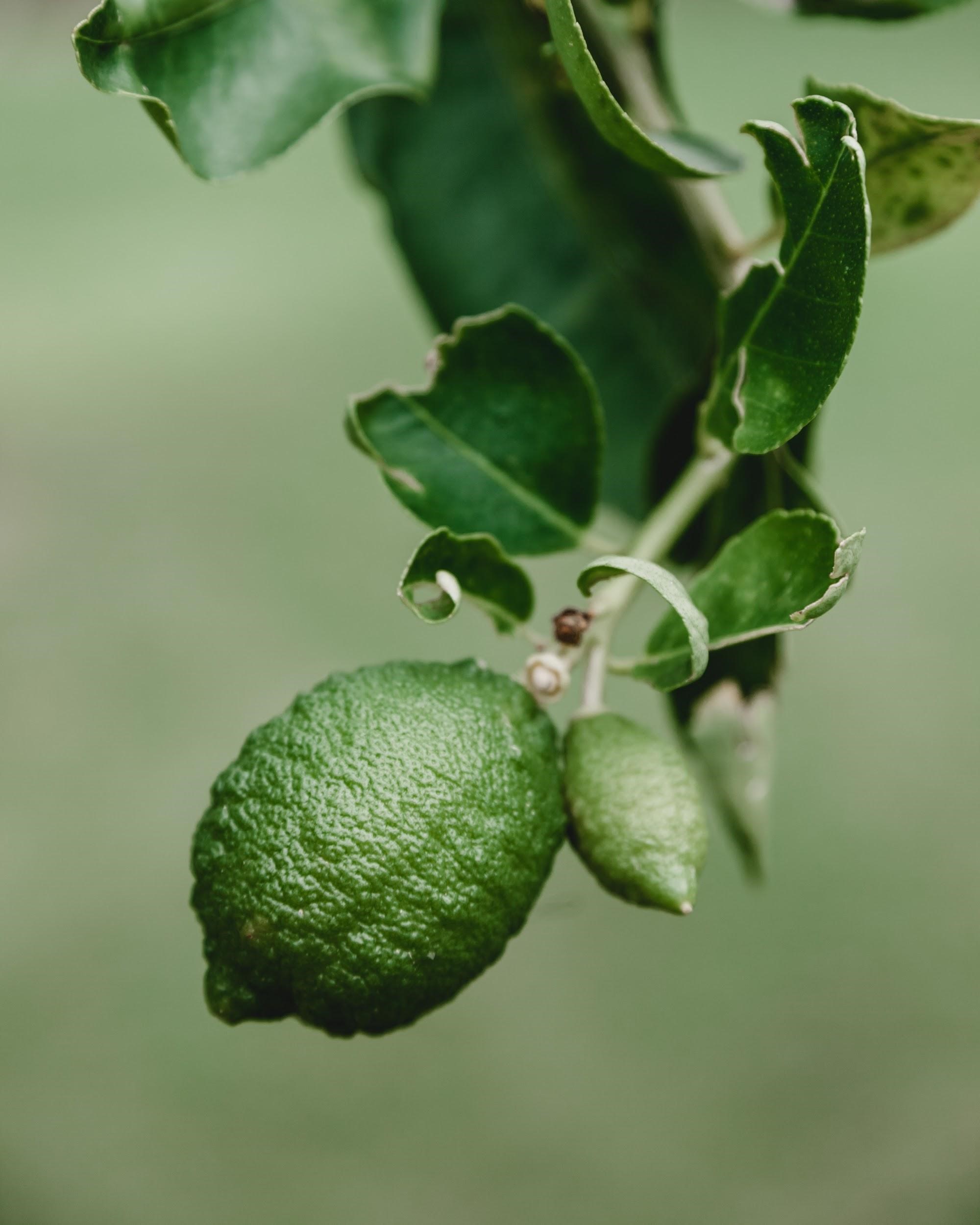
Often confused with bitterness, but the key difference is that sour flavours (vinegar, maziwa lala and lemon and lime) depend on acidity to give it that mouth-puckering taste. Keep in mind that even the smallest addition of a sour ingredient, like a burst of lime, a splash of vinegar can brighten up a dish, so make sure you taste as you go along.
 Umami
Umami
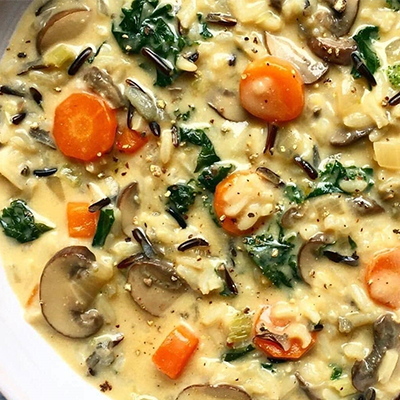
Not many people know this – umami is the savoury, earthy, meaty flavour that is naturally occurring and can be developed in others through slow cooking, aging, drying, and curing. Often confused with saltiness, umami is a taste category unto its own, contributing an oomph to food that salt can’t provide by itself. Ingredients to add for more umami are Parmesan cheese, meat broths, soy sauce, tomato sauce, and mushrooms.
Pro-tip: Use your favourite broth (popularly known as thufu in your nearest butchery) in your next noodle dish to add some umami to your Numi.
What combination of these flavours are you looking to infuse in your next Numi dish? We want to hear all about it!